Tropical residences
A landscaped courtyard, a shared pool and private terraces
Condominiums, residences and villas.
Explore locations, floor plans and purchase options.
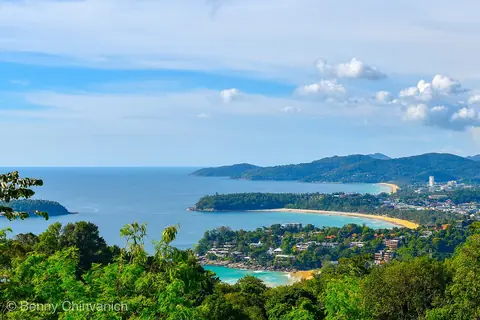 PhuketIsland · Andaman coast
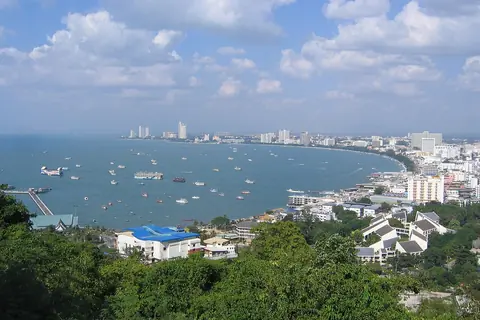 PattayaCity · Gulf of Thailand
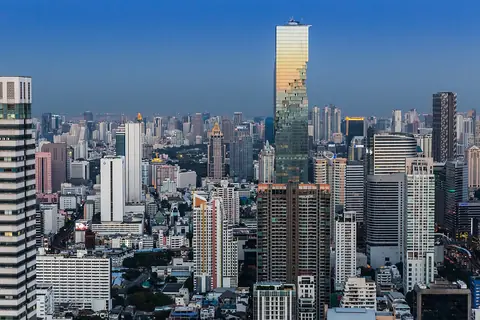 BangkokCapital · City living
 Koh SamuiIsland · Gulf of Thailand
 Hua HinCoast · Gulf of Thailand
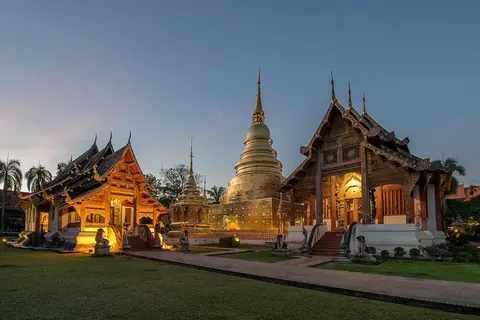 Chiang MaiCity · Northern Thailand
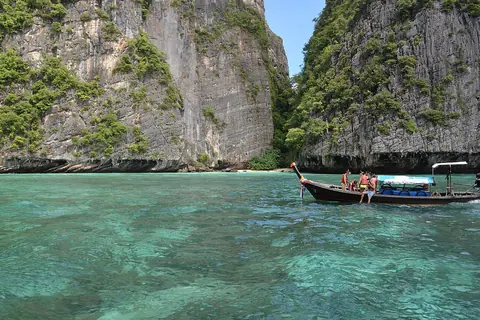 KrabiRegion · Andaman coast
A landscaped courtyard, a shared pool and private terraces
Indoor and outdoor living, with a garden and private pool
A city setting, open views and shared spaces for everyday life
Explore projects, compare floor plans and see the purchase terms — all in one place
Leave your details — a manager will send it to youChoose a destination to explore its setting
and local neighbourhoods
Beaches, established neighbourhoods and a choice of island settings
Explore the areas
Bang Tao · Kamala · Rawai
Explore destinationA coastal city, from central neighbourhoods to quieter waterfront areas
Explore the areas
Jomtien · Pratumnak · Wongamat
Explore destinationUrban neighbourhoods, city infrastructure and residences by the river
Explore the areas
Sukhumvit · Sathorn · Riverside
Explore destinationAn island landscape with beach communities and green hillsides
Explore the areas
Bophut · Lamai · Maenam
Explore destinationA mainland seaside setting, with neighbourhoods along the coast and inland
Explore the areas
Khao Takiab · Khao Tao · Hin Lek Fai
Explore destinationNorthern city life, historic streets and a mountain backdrop
Explore the areas
Nimman · Chang Khlan
Explore destinationA coastal region shaped by limestone cliffs, beaches and resort communities
Explore the areas
Ao Nang · Klong Muang
Explore destinationThe practical questions:
ownership, documents and payments
Read nowTwo sides of Phuket, explored in detail
Read the guideComing soonCompare the setting, pace and property formats
Preview topicComing soonNeighbourhoods and the everyday city
Preview topicComing soonCoasts, villages and island routines
Preview topic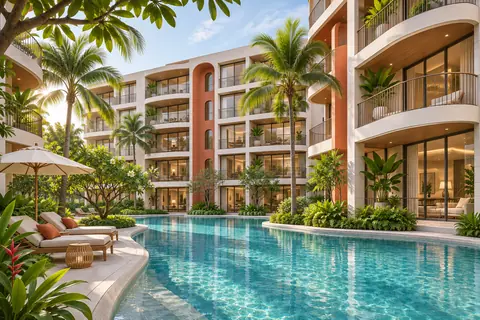 Coming soon
Understanding what you acquire
Preview topicComing soonThe documents and people behind a remote purchase
Preview topic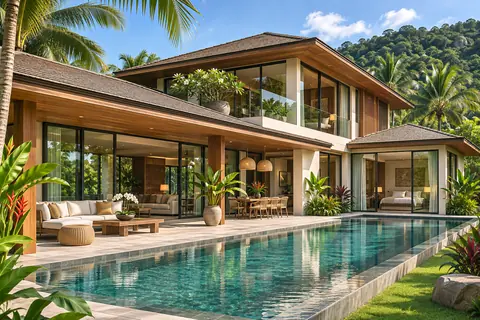 Coming soon
What to include in your annual budget
Preview topicComing soonSpace, services and everyday care
Preview topicArea guides, comparisons and the details of buying
Thailand journalTen things to understand
before choosing a property
Yes, an eligible foreign buyer can register a condominium unit in their own name. Foreign ownership must remain within 49% of the total floor area of all units in the registered condominium — not 49% of its unit count. Confirm the available quota and the buyer’s qualifying documents before paying a reservation.
A villa and its land are different legal assets. Foreign ownership of land is generally restricted, so a villa offer needs a clear explanation of the rights to both. A registered land lease is one possible structure. Do not assume that a villa advertised as freehold includes land ownership in your name.
Freehold means ownership; leasehold gives rights for a contractual term. For an ordinary property lease under Thai civil law, the maximum term is 30 years. A proposed renewal is a separate matter: a “30 + 30 + 30” offer should not be read as an already registered 90-year right. Review the term and renewal provisions in the actual agreement.
Registration through a representative is possible with a valid power of attorney. A remote purchase still requires signed documents, appropriate certification and acceptance by the relevant Land Office. Banking checks may have their own in-person requirements. Establish which steps can be handled remotely for your case before booking travel or transferring funds.
Agree the route with the sending and receiving banks. For the common foreign-funded condominium route, send foreign currency and identify the purchase purpose, buyer and property as required. Keep the bank-issued evidence of the incoming funds for registration. The sending country, currency and banks affect the available route; an ordinary payment receipt may not be enough.
Not in every case. Bangkok Bank describes transfers to a developer’s account for buyers without their own account. The receiving bank must still be able to issue the evidence needed for your purchase. Confirm the recipient details, buyer identification and supporting documents before choosing this route. Opening your own account is a separate banking procedure.
The reservation, contract payment, construction instalments and final balance are set by the development’s agreement. Ask for the full schedule for the chosen unit, including what triggers each payment and what happens if completion is delayed. There is no single payment plan that applies to every Thai development.
Request an itemised estimate: registration charges and taxes allocated to you by the agreement, legal and banking costs, and any initial building fees. Separately check recurring common-area charges, insurance, utilities and management. Furniture and a reserve fund may be charged separately. Compare the total purchase and ownership budget, not just the unit price.
Ownership and immigration permission are separate procedures. Property can count towards the investment requirements of certain visa categories, but those programmes have additional eligibility conditions and an application process. Choose a suitable immigration route for your planned length of stay rather than treating the purchase contract as a residence permit.
This can be arranged through a management agreement where the service is available. Compare the scope, fees, reporting, maintenance approvals and your own-use periods. If rental is part of the plan, check the permitted rental model and the building’s rules. Ask for net figures after expenses; a projected return and a contractual commitment are different things.